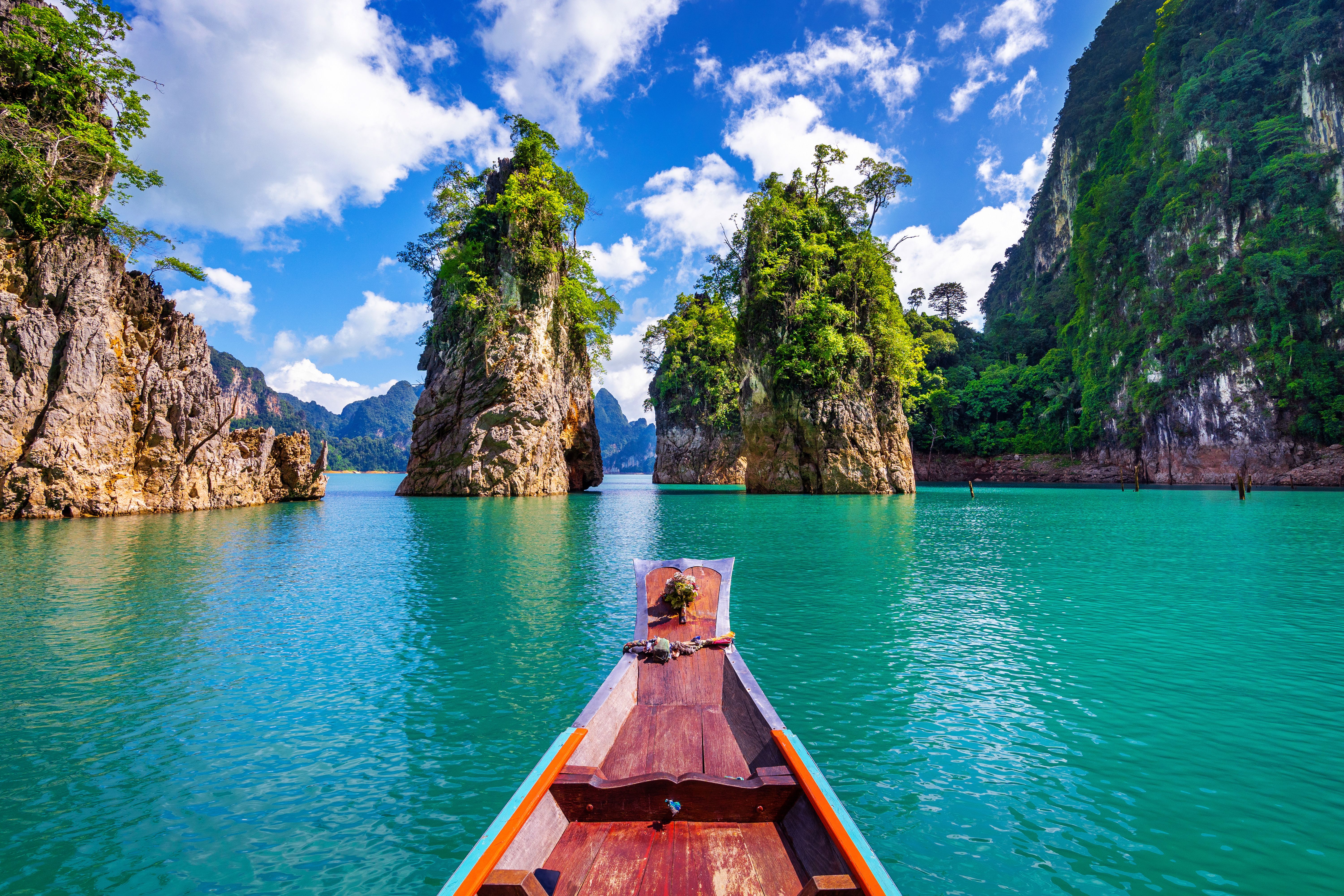
About Thailand
Thailand is a Southeast Asian nation known for its rich cultural heritage, tropical landscapes, and welcoming atmosphere. Blending ancient traditions with modern energy, the country offers travelers and residents a unique balance of spirituality, street life, natural beauty, and urban growth. From ornate temples and mountain villages to beach islands and bustling cities, Thailand presents a wide spectrum of experiences within one national border. Geographically, Thailand is remarkably varied. The north is defined by forested hills and cooler climates, where misty mountains and historic towns create a slower, more reflective environment. The central plains are fertile and river-fed, supporting agriculture and dense settlement. The south stretches into narrow peninsulas surrounded by warm seas, where beaches, coral reefs, and limestone islands attract visitors from across the globe. This environmental diversity supports both farming communities and world-class tourism destinations. Culture plays a central role in everyday Thai life. Respect, courtesy, and social harmony are deeply valued, and this is reflected in common greetings, public behavior, and family structures. Buddhist traditions influence festivals, architecture, and daily rituals, with temples serving not only as religious centers but also as community anchors. Monks collecting morning alms, temple bells, and seasonal ceremonies remain familiar sights and sounds across the country. Thai cuisine is another major part of the national identity. Known for its balance of sweet, sour, salty, and spicy flavors, the food culture ranges from simple street stalls to refined dining. Rice and noodles form the base of many meals, complemented by herbs, chilies, coconut, and fresh vegetables. Regional cooking styles vary significantly, meaning dishes in the north, south, and central regions often taste completely different despite sharing similar ingredients. Urban Thailand is dynamic and fast-moving. Major cities combine modern infrastructure with historic neighborhoods and traditional markets. Elevated trains pass above centuries-old canals, and digital startups operate near long-established craft shops. Shopping districts, night markets, and food streets remain active late into the evening, giving cities a strong sense of continuous motion and social life. Tourism is a vital sector of Thailand’s economy, but it is not the only one. Manufacturing, agriculture, automotive production, and digital services also contribute significantly. The country is one of the world’s leading exporters of rice and tropical fruits, and it has developed strong regional trade links. In recent years, there has been growing emphasis on technology, medical tourism, and creative industries. Festivals bring color and community spirit to Thai society. Water celebrations, lantern releases, and harvest events draw both locals and visitors into shared public experiences. These festivals often combine religious meaning with joyful participation, reinforcing social bonds across generations. What makes Thailand especially memorable is the feeling it gives visitors — a sense of ease mixed with discovery. Whether exploring temples, hiking through jungles, tasting unfamiliar dishes, or relaxing by the sea, people often find the country both energizing and comforting. Thailand stands out not just for what it offers to see, but for how it makes people feel while they are there.
Ready to visit Thailand?
Browse our packages or contact us for personalized itineraries
View PackagesExplore More Destinations
Discover other amazing places to visit with our extensive collection of destinations
View All Destinations →