About Kenya
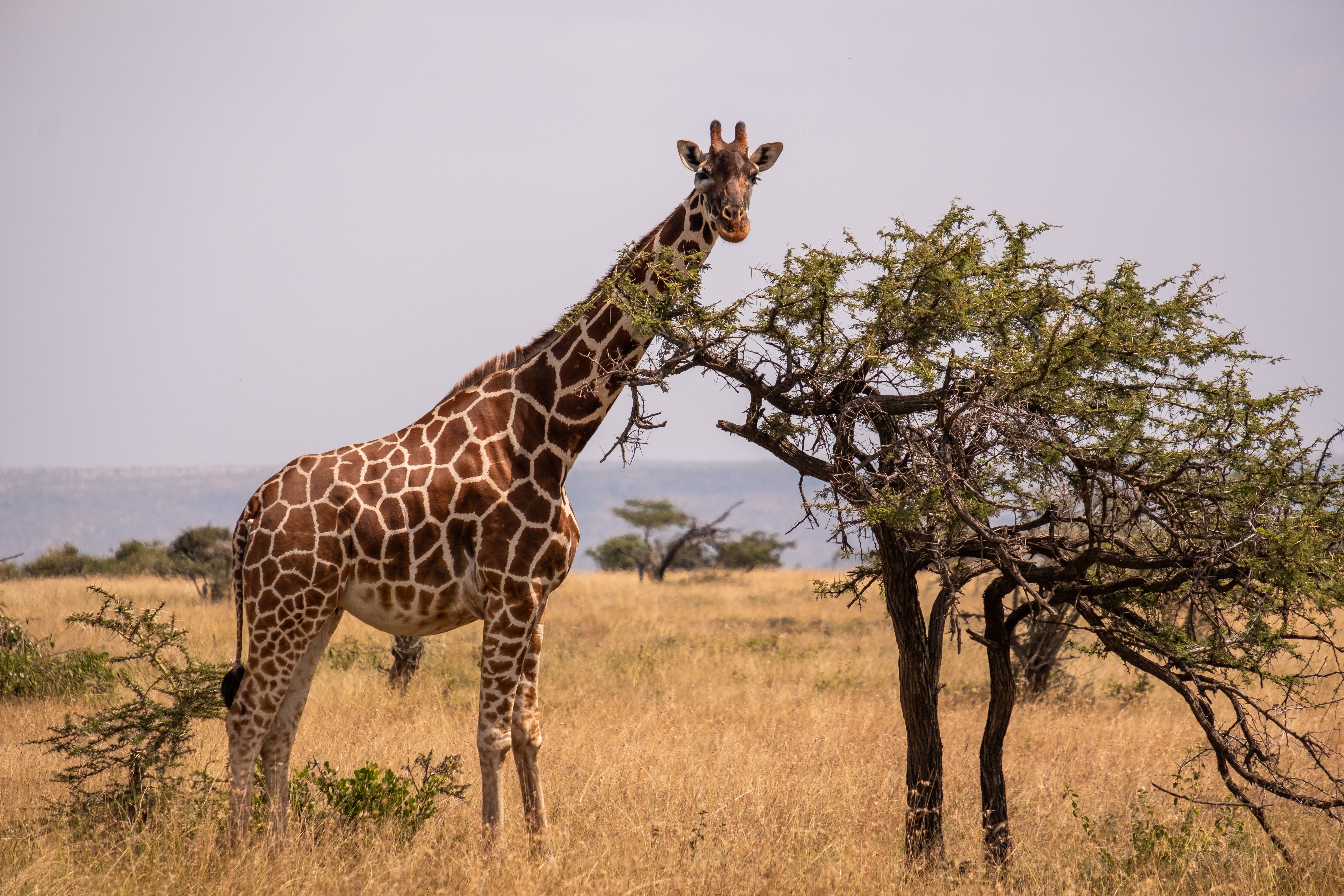
Kenya is one of Africa’s most geographically diverse and culturally vibrant nations, known for its wildlife, landscapes, and entrepreneurial spirit. Located in East Africa along the equator, the country stretches from the Indian Ocean coast to highland plateaus and mountain ranges inland. Kenya blends natural drama with human diversity, offering a powerful mix of tradition, innovation, and ecological richness. The country’s landscapes are among the most recognizable in the world. Wide savannas dotted with acacia trees, volcanic hills, freshwater lakes, and mountain forests create varied ecosystems within relatively short distances. Kenya is home to Mount Kenya, the second-highest peak in Africa, whose snow-capped summit contrasts sharply with nearby warm plains. The Great Rift Valley cuts through the country, forming escarpments and lakes that support unique birdlife and geological features. Coastal regions add another dimension, with coral reefs, palm-lined beaches, and historic port towns facing the Indian Ocean. Kenya is especially famous for its wildlife heritage. National parks and reserves protect large populations of elephants, lions, giraffes, zebras, and rhinos. Seasonal animal migrations across grasslands are considered among the most impressive natural events on Earth. Conservation efforts, community conservancies, and eco-tourism initiatives play a major role in protecting biodiversity while supporting local livelihoods. Safaris are not just tourist activities here — they are part of a broader environmental management system that connects ecology with economics. Cultural diversity is another defining strength of Kenya. Dozens of ethnic communities contribute languages, music, dress, and customs to the national identity. Traditional storytelling, beadwork, dance, and ceremonial practices remain important, even as urban lifestyles expand. Community bonds and respect for elders are widely emphasized social values. At the same time, contemporary Kenyan culture is dynamic, expressed through modern music, film, literature, and digital creativity. Cities in Kenya show rapid growth and innovation. The capital, Nairobi, functions as a regional business and technology hub, hosting international organizations and startups alike. It is sometimes called “Silicon Savannah” because of its strong mobile technology and fintech ecosystem. Digital payment systems and mobile banking have achieved widespread adoption, helping expand financial access across both urban and rural populations. Other cities serve as agricultural, industrial, and port centers, linking domestic production with global trade. Agriculture remains a key pillar of Kenya’s economy. Tea, coffee, flowers, and fresh vegetables are major exports, grown in fertile highland regions. Tourism, technology, manufacturing, and logistics also contribute significantly. Renewable energy — particularly geothermal and wind — has expanded in recent years, making Kenya a leader in clean energy adoption within Africa. Education and youth entrepreneurship are increasingly central to Kenya’s future direction. A young population, expanding universities, and innovation hubs are driving new business models and social enterprises. Many initiatives focus on solving local challenges through technology, from agriculture apps to health services and clean water solutions. Kenya stands out as a country where natural heritage and modern ambition exist side by side. Its identity is shaped equally by wildlife reserves and startup incubators, by ancestral traditions and digital networks. This blend of rooted culture and forward momentum makes Kenya one of the most compelling nations in the region today.
Explore More Destinations
Discover other amazing places to visit with our extensive collection of destinations
View All Destinations →